A well-planned kids room supports sleep, play, and everyday routines. Its furnishings and textiles should suit a child’s changing needs while keeping comfort and practical use in mind. Bedding, pillows, and sheets contribute to a restful sleep environment, while a suitable bed provides a dependable place for nighttime rest and quiet reading.
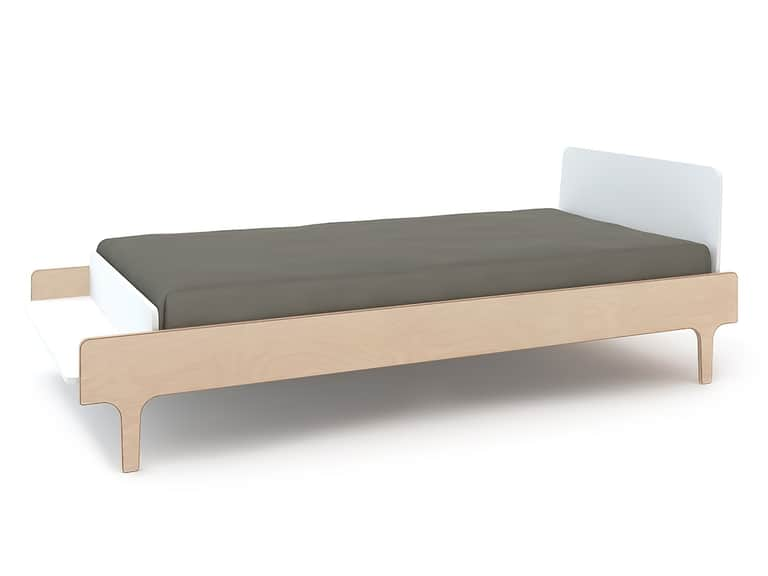
The Oeuf River Bed is a named option for a child’s sleeping area. When assessing a bed, consider its dimensions, construction, mattress compatibility, and how easily it fits the room’s layout. These practical details help caregivers understand how the bed may function within a child’s routine and available space.
Mattress materials can influence feel, support, and care requirements. Organic mattresses are often considered by families seeking materials produced under particular environmental or agricultural standards; certifications and product specifications clarify what those terms mean. Latex is a resilient material used in some mattresses, and its feel, composition, and suitability vary by design.
Sheets and bedding should match mattress dimensions and remain comfortable through regular use and laundering. Breathable fabrics may help manage warmth, while fitted-sheet construction can support a secure fit. Pillows should be appropriate for a child’s age and sleep needs, with attention to guidance from health professionals where relevant.
Planning a kids room also involves balancing comfort, function, and upkeep. Clear pathways around the bed, accessible storage, and durable textiles can make daily routines easier. Comparing bed dimensions with mattress measurements, and checking bedding care instructions, helps caregivers create a sleep space that is practical and suited to the child.
 Furniture