Foam mattresses are engineered to provide a balance of contouring support and pressure relief, making them suitable for a variety of sleepers. Within this category, foam cores can range from memory foam to polyurethane foams, delivering different firmness levels and response times. The materials influence alignment, pain reduction, and motion isolation for shared beds.
Key features of foam mattresses include conforming support that adapts to body shape, help for spinal alignment, and rated durability based on density and layer construction. Open-cell foams enhance breathability, while gel-infused foams can aid in heat management. Understanding firmness, feel, and cooling properties helps match user needs to the right model.
The Snug™ line exemplifies how foam mattress design addresses comfort and usability. Snug™ products commonly combine multiple foam layers to balance contouring with support, offering targeted pressure relief for hips and shoulders and improved edge stability. These mattresses often integrate ergonomic transitions to support different sleeping positions.
Compatibility considerations for foam mattresses include frame compatibility, ventilation, and maintenance. Proper base support prevents sagging and preserves mattress integrity, while breathable cover fabrics contribute to climate control. For users with sensitive skin or allergies, barrier fabrics and hypoallergenic foams can reduce irritants without compromising comfort.
In the context of bedding ecosystems, foam mattresses interact with pillows, sheets, and latex or memory foam toppers to refine comfort and support. Understanding product features such as density, thickness, motion isolation, and cooling technologies helps inform selections that align with sleep goals and overall bedroom ergonomics.
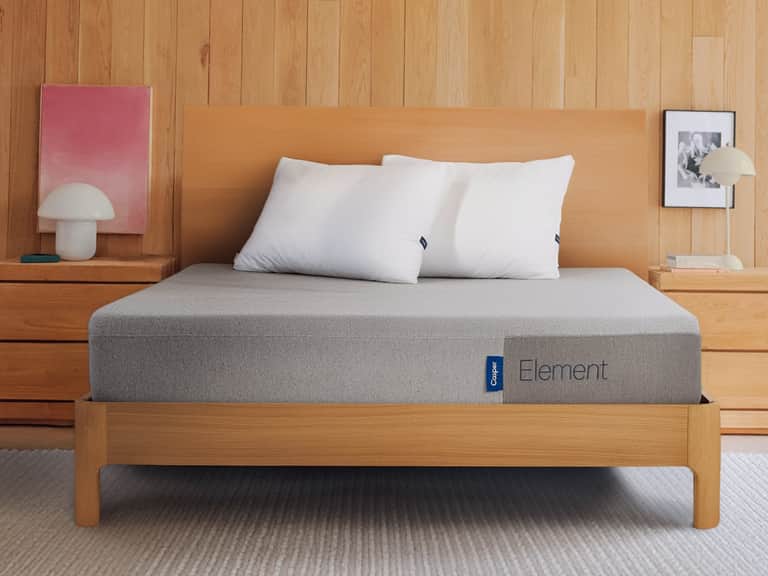 Mattresses