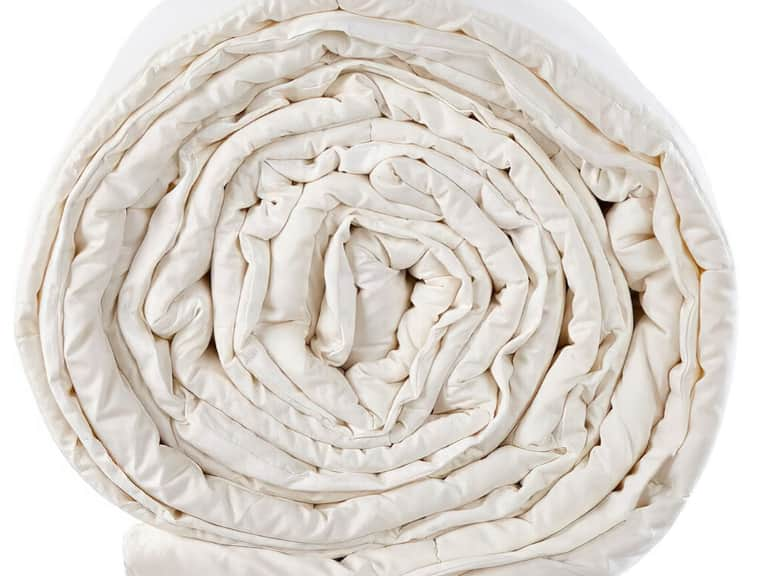
Comforters are versatile bedding essentials designed to provide layered warmth without excessive bulk, balancing insulation with breathability. Different fill materials, such as down-alternative, cotton, or synthetic blends, influence loft, warmth, and care requirements. Understanding fill power, weight, and thermal ratings helps determine suitability for varied climates and sleep preferences.
In the realm of comforters, key features include warmth-to-weight ratio, fabric weave, and surface texture. Lightweight options offer year-round use, while heavier ensembles suit cooler environments. Fabric choices like cotton percale or microfiber cover contribute to moisture management, softness, and durability, supporting long-term comfort and easy maintenance.
For practical use, consider size compatibility with bed dimensions and the desired level of duvet-like drape. Some comforters include box stitching or baffled construction to prevent fill shifting, ensuring consistent warmth. Hypoallergenic materials and easy-care fabrics reduce allergen exposure and simplify cleaning routines in daily sleeping environments.
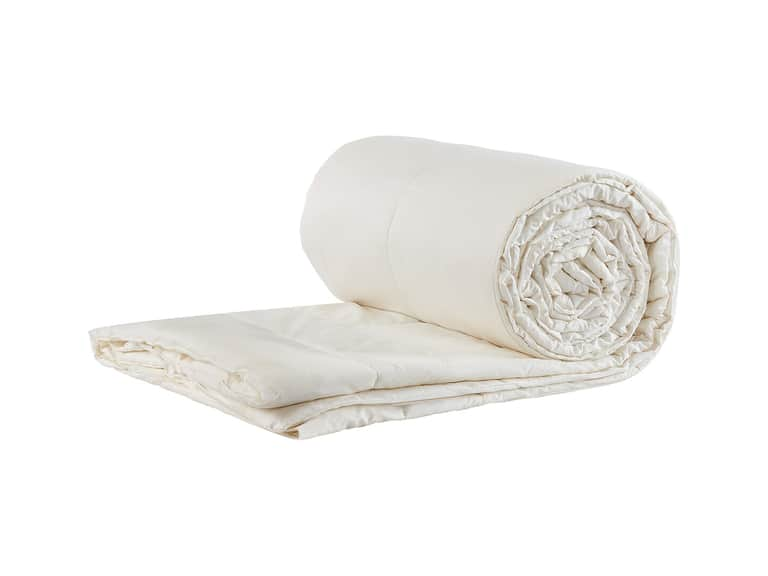
The Sleep and Beyond myComforter collection illustrates variations in warmth levels, loft, and filling, highlighting functional benefits such as loft retention, even heat distribution, and compatibility with other bedding like sheets and pillows. Evaluating product specifications helps identify options that align with sleeping posture, room temperature, and personal comfort thresholds.
Overall, comforters serve as a practical solution for achieving cozy, uncluttered bedding. By examining fill types, shell fabrics, construction techniques, and care guidelines, users can select comforters that complement organic mattresses and latex-based setups, while maintaining compatibility with a broader bedding ecosystem including pillows and sheets.
 Bedding